
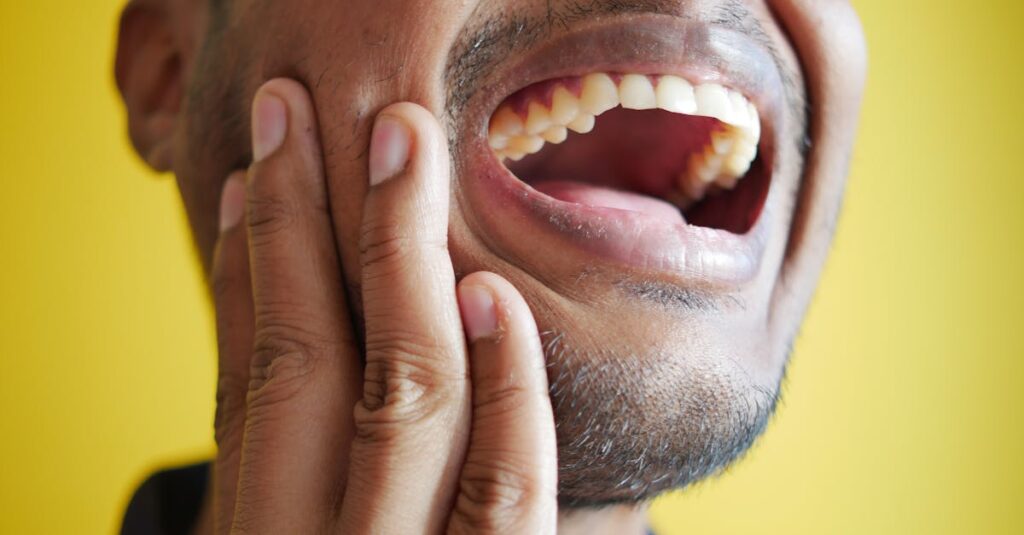
When do wisdom teeth usually need to be removed?
Wisdom teeth are often removed in the teen years or early 20s, but adults can absolutely have them removed too. The main goal is to prevent problems like decay, crowding, and damage to nearby teeth.
In Vancouver, Washington, Dr. Bowyer commonly sees wisdom teeth that either erupt in the late teens or stay impacted (stuck under the gums). Because wisdom teeth are harder to keep clean, they can develop advanced decay over time. Earlier removal is often simpler and can help reduce the chance of adjacent tooth damage and worsening symptoms.
How can I tell if my wisdom teeth are impacted or causing problems?
Pain or swelling near the back of your jaw can be a sign that a wisdom tooth is impacted and may need evaluation. Other red flags include repeated infections in the soft tissue behind the back teeth, cysts or tumors, or significant decay affecting molars.
If you notice ongoing discomfort, pressure, or recurring irritation in that area, it’s a good idea to schedule an exam in Vancouver, WA. Dr. Bowyer can assess what’s happening, explain your options, and help you decide whether removal is the best next step.
What should I expect at a wisdom teeth removal consultation?
A wisdom teeth consultation starts with an evaluation and a clear plan for before, during, and after your procedure. Dr. Bowyer will review your health history, discuss your dental background, and explain the wisdom teeth removal process so you know what to expect.
This visit is also where you’ll talk through timing, comfort options, and logistics—especially since recovery planning matters. If you’re in Vancouver, Washington and dealing with pain, swelling, or concerns about impacted teeth, the consultation helps confirm whether removal is appropriate and what your next steps should be.
Will I be asleep for wisdom teeth removal?
Wisdom teeth removal requires anesthesia, and the type depends on the complexity of your case. Many procedures use general anesthesia (you’re unconscious), while less severe cases may be done with local anesthetic (the area is numb and you stay awake).
No matter which option is used, you’ll need someone to drive you to and from your appointment. During the procedure, the teeth are removed and sutures may be placed in the gums. Dr. Bowyer’s team in Vancouver, WA will review your anesthesia plan and help you prepare safely.
How long is recovery after wisdom teeth removal, and what should I avoid?
Most patients feel the most discomfort for about three days after wisdom teeth removal. Pain is often managed with prescribed or recommended medication, ice packs, and sometimes moist heat as healing progresses.
You’ll also need to protect the surgical sites. In the early recovery period, stick to soft foods and avoid behaviors that can disrupt healing, like using straws or smoking. Keeping the area clean is important, and you’ll receive specific post-op instructions. If you’re recovering in Vancouver, Washington, following those instructions closely is the best way to feel better quickly.
Ready To Take The Next Step?
Schedule a consultation with Dr. Bowyer to see if wisdom teeth removal is right for you. You can call us at (360) 253-2640, email us at info@drbowyer.com, or use the form on this page to request a free consultation.
Learn More About Wisdom Teeth Removal
- Do You Need An Oral Surgeon Or A Dentist?
 Most people have a good idea of what a dentist does. But not everybody has a good understanding of the procedures performed by an oral surgeon. If you are in need of serious dental work, your dentist may have referred you to an oral surgeon. You might be wondering what the difference is between an… Read more: Do You Need An Oral Surgeon Or A Dentist?
 - Removing Wisdom Teeth In Adults
 Having wisdom teeth can literally be a pain. Many people have them removed in their teens, but not all of us have the procedure done at that time in our lives. Delaying wisdom teeth removal until your adult years isn’t unusual, though. Here are a few things to consider if you want to have your… Read more: Removing Wisdom Teeth In Adults
 - Wisdom Teeth Vancouver, WAWisdom Teeth Vancouver, WA Dentist in Vancouver WA Questions and answers on Wisdom Teeth Vancouver, WA Q: What are wisdom teeth? A: They are either called wisdom teeth or third molars. It gets its name from growing out when the person is 17 – 21 years old, which is when the person would usually have… Read more: Wisdom Teeth Vancouver, WA